Cardiovascular Disease Treatment in Switzerland: Costs, Insurance Coverage, Hospitals & Recovery (2026 Guide)
By Gani Yamah
Last Updated: September 1, 2026
Introduction
Cardiovascular disease (CVD) refers to a group of conditions affecting the heart and blood vessels. These include coronary artery disease, heart attacks, heart failure, stroke, arrhythmias, high blood pressure, and other circulatory disorders. Cardiovascular diseases remain one of the leading causes of hospitalization and death worldwide, including in Switzerland. Switzerland records thousands of cardiovascular-related deaths and hospital admissions every year, making prevention, early diagnosis, and effective treatment a major healthcare priority.
Fortunately, Switzerland has one of the world's most advanced healthcare systems. Patients have access to highly trained cardiologists, modern hospitals, emergency heart centers, advanced diagnostic technology, and comprehensive rehabilitation programs.
This guide explains cardiovascular disease treatment in Switzerland, including available treatments, costs, health insurance coverage, recovery, and prevention.
What Is Cardiovascular Disease?
Cardiovascular disease is an umbrella term covering conditions that affect the heart and blood vessels.
Common cardiovascular diseases include:
Coronary artery disease
Heart attack (myocardial infarction)
Heart failure
Stroke
High blood pressure (hypertension)
Atrial fibrillation
Heart valve disease
Congenital heart disease
Peripheral artery disease
Aortic aneurysm
Many cardiovascular diseases develop slowly over time and may not cause symptoms until serious complications occur.
Common Symptoms
Symptoms vary depending on the condition but may include:
Chest pain or pressure
Shortness of breath
Rapid or irregular heartbeat
Fatigue
Dizziness
Swelling in the legs or feet
High blood pressure
Sudden weakness or numbness
Difficulty speaking
Fainting
Anyone experiencing severe chest pain or signs of a stroke should seek emergency medical care immediately.
Causes and Risk Factors
Several factors increase the risk of cardiovascular disease:
Lifestyle Factors
Smoking
Lack of exercise
Poor diet
Excessive alcohol consumption
Chronic stress
Obesity
Medical Conditions
High blood pressure
Diabetes
High cholesterol
Chronic kidney disease
Sleep apnea
Non-Modifiable Factors
Age
Family history
Genetic predisposition
Gender
Swiss healthcare experts emphasize that controlling these risk factors can significantly reduce cardiovascular complications.
Diagnosing Cardiovascular Disease in Switzerland
Swiss hospitals use advanced diagnostic technology to identify cardiovascular conditions.
Common tests include:
Physical Examination
A physician reviews symptoms, blood pressure, family history, and lifestyle factors.
Blood Tests
Tests may assess:
Cholesterol levels
Blood sugar levels
Cardiac enzymes
Inflammatory markers
Electrocardiogram (ECG)
Records the heart's electrical activity and helps detect arrhythmias or previous heart attacks.
Echocardiogram
An ultrasound scan used to examine heart function and valve health.
Stress Testing
Evaluates how the heart performs during physical activity.
CT and MRI Scans
Provide detailed images of the heart and blood vessels.
Coronary Angiography
A specialized imaging procedure used to identify narrowed or blocked coronary arteries.
Cardiovascular Disease Treatment in Switzerland
Treatment depends on the specific condition and severity of disease.
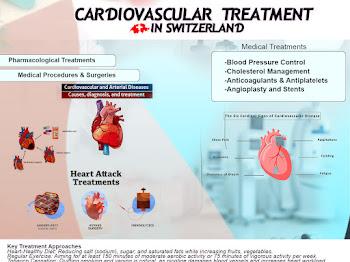
Most patients receive a combination of:
Lifestyle changes
Medication
Medical procedures
Surgery
Rehabilitation
Lifestyle Modification
Lifestyle improvement is often the first step in treatment.
Doctors commonly recommend:
Healthy Diet
Patients are encouraged to consume:
Fruits
Vegetables
Whole grains
Lean proteins
Healthy fats
Reducing salt, sugar, and processed foods helps improve cardiovascular health.
Regular Exercise
Physical activity strengthens the heart and improves circulation.
Smoking Cessation
Quitting smoking is one of the most effective ways to reduce cardiovascular risk.
Weight Management
Maintaining a healthy weight lowers blood pressure and cholesterol.
Stress Reduction
Meditation, adequate sleep, and stress management can support heart health.
Medication Treatment
Medication plays a major role in managing cardiovascular disease.
Common medications include:
Blood Thinners
Help prevent blood clots and reduce the risk of heart attack and stroke.
Statins
Used to lower cholesterol and reduce cardiovascular risk. Swiss studies show statins can help prevent cardiovascular events in appropriate patients.
Beta-Blockers
Reduce heart rate and blood pressure while decreasing strain on the heart.
ACE Inhibitors and ARBs
Often prescribed for hypertension and heart failure.
Calcium Channel Blockers
Help relax blood vessels and improve blood flow.
Nitrates
Used to relieve angina (chest pain) by improving blood supply to the heart.
Diabetes Medications
Certain modern diabetes medications may also reduce cardiovascular risk in eligible patients.
Interventional Cardiology Procedures
When medication alone is insufficient, minimally invasive procedures may be recommended.
Coronary Angioplasty
A balloon is used to open blocked arteries.
Stent Placement
A small mesh tube is inserted to keep the artery open.
Catheter-Based Procedures
Used to treat valve disorders and certain structural heart conditions.
Electrophysiology Procedures
Can help manage irregular heart rhythms.
Heart Surgery
Severe cardiovascular disease may require surgery.
Coronary Artery Bypass Grafting (CABG)
Surgeons create a new pathway for blood flow around blocked arteries.
Research indicates bypass surgery can provide substantial benefits for certain patients with advanced coronary artery disease.
Heart Valve Surgery
Repairs or replaces damaged valves.
Aortic Surgery
Used to treat aneurysms and major vascular disorders.
Heart Transplantation
Reserved for patients with severe end-stage heart failure.
Cardiac Rehabilitation
Recovery does not end after hospital treatment.
Swiss cardiac rehabilitation programs often include:
Supervised exercise
Nutritional counseling
Medication management
Psychological support
Risk-factor reduction education
These programs help patients return to daily activities safely.
Emergency Heart Attack Treatment
Heart attacks require immediate treatment.
Swiss emergency services and specialized heart centers provide:
Ambulance transport
Emergency angiography
Clot removal procedures
Intensive care monitoring
Follow-up rehabilitation
Rapid treatment significantly improves survival and recovery outcomes.
Cost of Cardiovascular Disease Treatment in Switzerland
Treatment costs vary depending on the condition and complexity.
Approximate costs may include:
Service
Estimated Cost (CHF)
GP Consultation
100–300
Cardiologist Visit
250–600
ECG
100–300
Echocardiogram
300–800
Stress Test
300–1,000
Coronary Angiography
2,000–5,000
Stent Procedure
10,000–30,000
Bypass Surgery
40,000–100,000+
Hospital Stay
1,000–3,500 per day
Actual costs vary by hospital, canton, treatment complexity, and insurance arrangements.
Does Swiss Health Insurance Cover Cardiovascular Treatment?
Yes.
Mandatory Swiss health insurance generally covers medically necessary cardiovascular care, including:
Doctor consultations
Diagnostic tests
Hospital treatment
Prescription medications
Emergency care
Surgical procedures
Rehabilitation when medically indicated
Patients remain responsible for deductibles, co-payments, and any non-covered services.
Supplementary insurance may provide additional benefits such as private hospital rooms or expanded hospital choices.
Recovery and Long-Term Outlook
Many people with cardiovascular disease can live active and productive lives after treatment.
Long-term management typically involves:
Regular medical follow-up
Blood pressure monitoring
Cholesterol management
Diabetes control
Exercise
Healthy nutrition
Medication adherence
Early treatment often improves outcomes and reduces the risk of future complications.
How to Reduce Cardiovascular Risk
You can lower your risk by:
Avoiding tobacco
Exercising regularly
Maintaining a healthy weight
Managing blood pressure
Controlling diabetes
Monitoring cholesterol
Eating a heart-healthy diet
Limiting alcohol consumption
Attending regular health checkups
Prevention remains one of the most effective cardiovascular health strategies.
Frequently Asked Questions
Is cardiovascular treatment in Switzerland high quality?
Yes. Switzerland is internationally recognized for its advanced hospitals, specialized cardiology centers, and modern cardiovascular care.
Are heart surgeries covered by Swiss insurance?
Medically necessary surgeries are generally covered by mandatory health insurance, subject to policy conditions and cost sharing.
Can foreigners receive cardiovascular treatment in Switzerland?
Yes. Tourists, expatriates, and international patients can receive treatment, although payment arrangements vary.
How long is recovery after heart surgery?
Recovery can range from several weeks to several months depending on the procedure and the patient's overall health.
Can cardiovascular disease be prevented?
Many cardiovascular diseases can be prevented or delayed through healthy lifestyle choices and regular medical care.
Conclusion
Cardiovascular disease remains a major health challenge, but Switzerland offers some of the world's most advanced treatment options. From preventive screenings and medication management to complex heart surgery and rehabilitation, patients have access to comprehensive cardiovascular care. Combined with Switzerland's strong health insurance system, modern hospitals, and highly trained specialists, individuals diagnosed with cardiovascular disease can receive effective treatment and long-term support for better heart health.

Leave a comment
Your email address will not be published. Required fields are marked *