Malaria Treatment in Switzerland: Symptoms, Diagnosis, Costs, Insurance Coverage & Recovery Guide (2026)
By Gani Yamah
Last Updated: September 2026
Malaria remains one of the world's most serious infectious diseases, causing hundreds of thousands of deaths every year. Although Switzerland is not a malaria-endemic country, the disease is still diagnosed in travelers, expatriates, migrants, humanitarian workers, students, and tourists returning from regions where malaria is common. Most malaria cases in Switzerland are classified as imported infections acquired abroad.
Switzerland has a highly advanced healthcare system capable of diagnosing and treating malaria quickly and effectively. Patients have access to emergency departments, infectious disease specialists, tropical medicine clinics, laboratory testing, intensive care units, and modern antimalarial medications. Early diagnosis and treatment are essential because severe malaria can become life-threatening within a short period of time.
This guide explains everything you need to know about malaria treatment in Switzerland, including symptoms, diagnosis, available treatments, hospitalization, costs, health insurance coverage, prevention, and recovery.
What Is Malaria
Malaria is a parasitic disease caused by microorganisms from the Plasmodium family. The parasites are transmitted through the bite of infected female Anopheles mosquitoes. Five species commonly infect humans:
- Plasmodium falciparum
- Plasmodium vivax
- Plasmodium ovale
- Plasmodium malariae
- Plasmodium knowlesi
Among these, Plasmodium falciparum is considered the most dangerous because it can rapidly cause severe complications involving the brain, kidneys, lungs, and other organs.
Is Malaria Common in Switzerland?
Malaria is not naturally transmitted within Switzerland. However, imported malaria cases are reported every year, mainly among:
- International travelers
- Business travelers
- Tourists returning from tropical regions
- Migrants visiting relatives abroad
- Humanitarian workers
- Students studying overseas
Swiss health authorities maintain surveillance systems and specialized reference laboratories to monitor imported malaria cases and support healthcare providers.
Symptoms of Malaria
Malaria symptoms often resemble those of influenza or other infectious diseases. Common symptoms include:
- High fever
- Chills
- Sweating
- Headaches
- Muscle pain
- Fatigue
- Nausea
- Vomiting
- Diarrhea
- Abdominal pain
Some patients may develop symptoms several days or even weeks after returning from travel. In certain cases, symptoms can appear months later.
Warning Signs of Severe Malaria
Seek emergency medical care immediately if any of the following occur:
- Confusion or altered mental state
- Seizures
- Difficulty breathing
- Severe weakness
- Jaundice
- Kidney problems
- Loss of consciousness
- Persistent vomiting
Severe malaria is a medical emergency and requires immediate hospital treatment.
How Malaria Is Diagnosed in Switzerland
Swiss hospitals and tropical medicine clinics use several diagnostic methods:
Medical Assessment
Doctors first review:
- Recent travel history
- Symptoms
- Previous malaria infections
- Preventive medications used during travel
Blood Tests
The most common diagnostic tools include:
- Rapid malaria tests
- Blood smear microscopy
- Laboratory blood analysis
- Species identification testing
Accurate identification of the parasite species helps physicians select the most effective treatment plan.
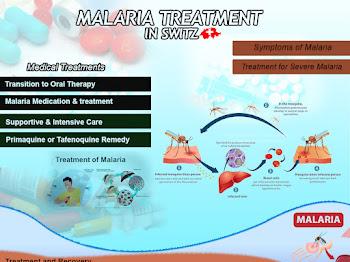
Malaria Treatment in Switzerland
Treatment depends on:
- The malaria species
- Disease severity
- Patient age
- Pregnancy status
- Existing medical conditions
Swiss specialists follow internationally recognized malaria treatment recommendations and regularly updated clinical guidelines.
Treatment for Uncomplicated Malaria
Patients with uncomplicated malaria generally receive oral antimalarial medications.
Common therapies include:
- Artemether-lumefantrine
- Dihydroartemisinin-piperaquine
- Atovaquone-proguanil
These medications help eliminate parasites from the bloodstream and relieve symptoms. Treatment duration varies depending on the medication and malaria species.
Treatment for Severe Malaria
Patients with severe malaria require hospitalization.
Treatment may include:
- Intravenous artesunate
- Intensive monitoring
- Intravenous fluids
- Oxygen therapy
- Organ support
- Kidney monitoring
- Intensive care admission if necessary
Swiss hospitals are well equipped to manage severe malaria complications and provide specialized care.
Hospitalization for Malaria
Not every malaria patient requires hospitalization.
Doctors may recommend hospital admission if:
- Symptoms are severe
- The patient is pregnant
- The patient is a child
- There are signs of organ involvement
- The diagnosis is uncertain
- Close monitoring is necessary
Hospital stays can range from a few days to several weeks depending on the severity of the infection.
Recovery After Malaria Treatment
Most patients recover completely when treatment begins early.
Recovery generally includes:
- Rest
- Adequate hydration
- Follow-up blood tests
- Medical monitoring
Fatigue may continue for several weeks after successful treatment.
Patients should attend all follow-up appointments to confirm that the infection has been completely cleared.
Malaria Treatment Costs in Switzerland
Healthcare costs vary according to:
- Hospital choice
- Canton
- Disease severity
- Length of hospitalization
- Required tests
- Intensive care needs
Typical expenses may include:
| Service | Estimated Cost |
|---|---|
| Doctor consultation | CHF 100–300 |
| Blood tests | CHF 100–500 |
| Emergency department visit | CHF 300–1,000+ |
| Hospital stay per day | CHF 1,000–3,500+ |
| Intensive care treatment | CHF 3,000–10,000+ per day |
Actual costs vary significantly among healthcare providers.
Does Swiss Health Insurance Cover Malaria Treatment?
In most cases, yes.
Switzerland's mandatory health insurance system generally covers medically necessary malaria diagnosis and treatment when provided within the country's healthcare system. Patients usually remain responsible for:
- Annual deductible (Franchise)
- Coinsurance contributions
- Certain administrative charges
Coverage may differ for visitors or tourists depending on their travel insurance policy. Treatment of illnesses after travel is generally covered under compulsory Swiss health insurance, subject to standard deductibles and cost-sharing requirements.
Malaria Treatment for Tourists in Switzerland
Visitors who develop malaria while staying in Switzerland should seek medical attention immediately.
Potential payment sources include:
- International travel insurance
- Private health insurance
- Employer-sponsored insurance
- Personal payment if uninsured
Travelers should keep all medical receipts and documentation for reimbursement claims.
Prevention of Malaria
Prevention remains the most effective strategy.
Before traveling to malaria-risk areas, individuals should seek professional travel medicine advice several weeks before departure. Swiss health authorities recommend obtaining destination-specific guidance and using appropriate preventive measures.
Recommended Preventive Measures
- Use mosquito repellents
- Sleep under treated mosquito nets
- Wear long-sleeved clothing
- Avoid mosquito exposure at night
- Follow prescribed malaria prophylaxis
- Attend a travel medicine consultation before departure
When Should You See a Doctor?
Seek immediate medical attention if:
- You develop fever after visiting a tropical region
- You experience chills and sweating after international travel
- Symptoms worsen rapidly
- You develop confusion or breathing difficulties
- You become severely dehydrated
Swiss tropical medicine experts advise that fever after travel to a malaria-endemic region should always be evaluated promptly because early diagnosis can be life-saving.
Switzerland's Specialized Malaria Expertise
Switzerland has several specialized centers dedicated to tropical and travel medicine. These institutions provide:
- Expert diagnosis
- Advanced laboratory testing
- Treatment recommendations
- Follow-up care
- Travel medicine consultations
The country also hosts a national reference center that supports healthcare providers in malaria diagnosis and management.
Frequently Asked Questions
Can malaria be cured?
Yes. Most malaria infections can be successfully treated when diagnosed early and managed with appropriate medications.
Is malaria an emergency?
Severe malaria is a medical emergency requiring immediate treatment.
How long does malaria treatment take?
Many uncomplicated cases are treated over several days, while severe cases may require longer hospital care.
Can malaria return after treatment?
Some malaria species can remain dormant in the liver and cause relapses later if not fully treated.
Is malaria covered by Swiss health insurance?
In most cases, medically necessary diagnosis and treatment are covered under Switzerland's mandatory health insurance system, subject to deductibles and cost-sharing.
Conclusion
Although malaria is not common in Switzerland, imported cases continue to occur among travelers returning from malaria-endemic regions. Switzerland's healthcare system provides rapid diagnosis, effective medications, specialist care, and advanced hospital treatment for both uncomplicated and severe malaria.
Anyone who develops a fever after international travel should seek medical attention immediately. Early diagnosis greatly improves outcomes and helps prevent potentially life-threatening complications. With timely treatment and proper follow-up care, most patients recover fully and can return to normal activities.
Disclaimer
This article is for educational and informational purposes only and does not constitute medical advice. Healthcare regulations, insurance coverage, treatment guidelines, and costs may change over time. Always consult a qualified healthcare professional or licensed insurer regarding your specific medical situation.
About the Author
Gani Yamah is an independent writer focused on Switzerland health insurance, travel medical coverage, healthcare costs, and medical treatment guides. His content aims to help readers understand healthcare systems, insurance options, and medical services available in Switzerland.

Leave a comment
Your email address will not be published. Required fields are marked *